Every real estate developer in Saudi Arabia reaches the same point before launch. The design is approved, the sales team is waiting, and someone asks: do we need a full walkthrough film, or will real-time rendering do the job?
Both options turn drawings into something buyers can see and feel. But they do different jobs, cost different amounts, and work best at different stages of a project. Pick the wrong one and you may pay for features you never use.
This guide explains the difference in plain terms, so you can decide what your project actually needs.
What Is a 3D Walkthrough?
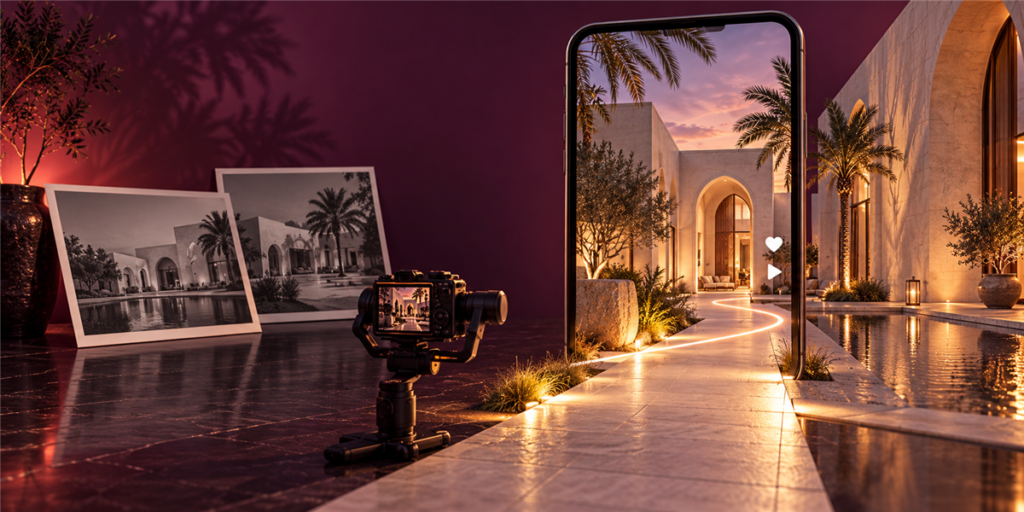
A 3D walkthrough is a pre-produced film. A team builds a detailed 3D model of your project, plans every camera move, lights each scene, and renders the final video frame by frame. Music, voiceover and motion graphics are added in the edit.
The result is a polished, controlled story. Viewers see exactly what you want them to see, in the order you choose: the arrival experience, the lobby, the view from the master bedroom at sunset.
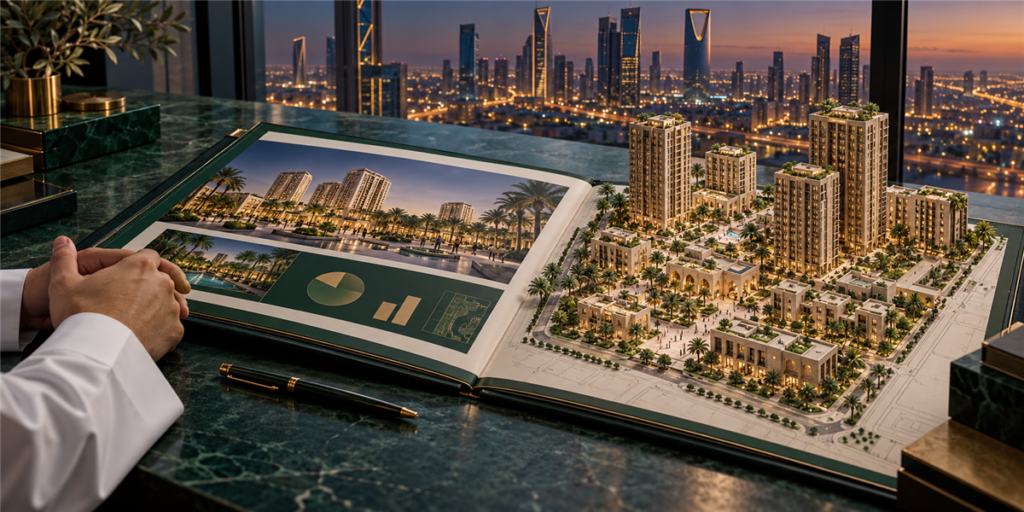
This is why developers launching a flagship tower or a master community usually invest in 3D cinematic walkthrough services. A well-made film works on your website, sales center screens, social media and investor meetings, and it stays useful for the entire sales cycle.
Where walkthroughs work best
- Project launches and roadshows
- Sales center screens and exhibitions
- Social media and paid ad campaigns
- Investor and board presentations
What Is Real-Time Rendering?
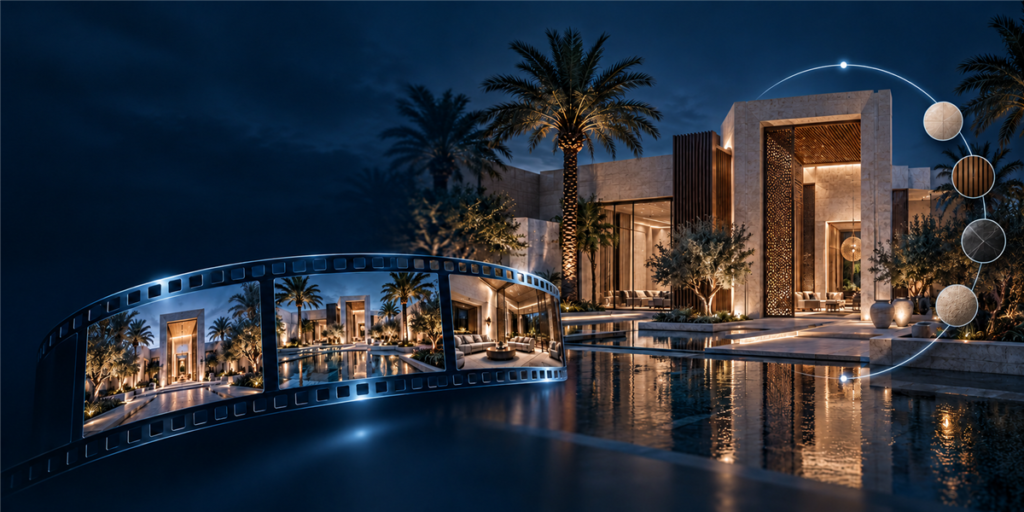
Real-time rendering uses game-engine technology, such as Unreal Engine, Twinmotion or D5, to display a 3D model instantly. Instead of watching a fixed video, the viewer can move freely, change camera angles, switch finishes or check the view from different floors, live on screen.
Real-time tools are now standard in many design studios because they speed up reviews. A material can be changed during a meeting and the result is visible immediately, instead of waiting days for a new image.
Where real-time rendering works best
- Design reviews and internal approvals
- Interactive sales center kiosks
- Unit selection and finish customization
- VR experiences at property exhibitions
Key Differences at a Glance
| Factor | 3D Walkthrough | Real-Time Rendering |
|---|---|---|
| Visual quality | Highest, fully cinematic | Very good and improving fast |
| Viewer control | None: a fixed story | Full: viewers explore freely |
| Best for | Marketing and launches | Design reviews and sales kiosks |
| Hardware | Any screen or phone | Powerful PC or dedicated setup |
| Late design changes | Need re-rendering | Quick to update |
Which One Does Your Project Need?
The honest answer depends on what you need the visuals to do.
Choose a 3D walkthrough if your main goal is marketing. When you need content that stops the scroll on Instagram, plays on a big screen at a property show or runs as a video ad, a cinematic film delivers the strongest emotional impact. Professional architectural 3D animation services give you full control over story, pacing and mood, which matters when you are asking buyers to commit before construction starts.
Choose real-time rendering if your main goal is decision-making. If your team is still refining the design, or buyers need to compare layouts and finishes at the sales center, an interactive model saves time and cuts down the back-and-forth.
Many projects use both. A common approach for larger developments is to use real-time tools during design, produce a cinematic film for the launch, and add interactive screens to the sales center later.
Don’t Forget the Middle Option: 360 Virtual Tours
Between a fixed film and a fully interactive model sits a practical middle ground. A virtual tour 3D rendering lets buyers look around each room in 360 degrees on their phone or laptop, with no special hardware. For developers selling to overseas investors or buyers in other Saudi cities, it is one of the most cost-effective ways to let people visit a unit remotely.
Questions to Ask Before You Decide
- Who will see these visuals: buyers, investors or your design team?
- Where will they be shown: social media, a sales center or exhibitions?
- How often will the design change before launch?
- Do you need content that lasts through the full sales cycle?
Final Thoughts
There is no single right answer, only the right fit for your project stage and sales goals. A walkthrough sells the vision; real-time rendering helps you shape it and lets buyers explore it.
If you are planning a launch and want advice on the right mix of visuals, Pixarch offers 3D rendering services in Saudi Arabia for residential, commercial, hospitality and mixed-use developments. Share your brief and our team will recommend the format that fits your timeline and budget.