Saudi Arabia’s skyline is changing faster than almost anywhere else in the region, but the most interesting developments aren’t the ones chasing height or novelty for its own sake. They’re the ones finding a way to carry something recognizably Saudi into a genuinely modern design. That balance is difficult to pull off on paper, and it’s even harder to communicate to a buyer who’s evaluating a project from a screen. This is where visualization has quietly become one of the most important tools developers have, not just to sell a unit, but to tell a story about identity.
Heritage Isn’t a Decoration, It’s a Design Language
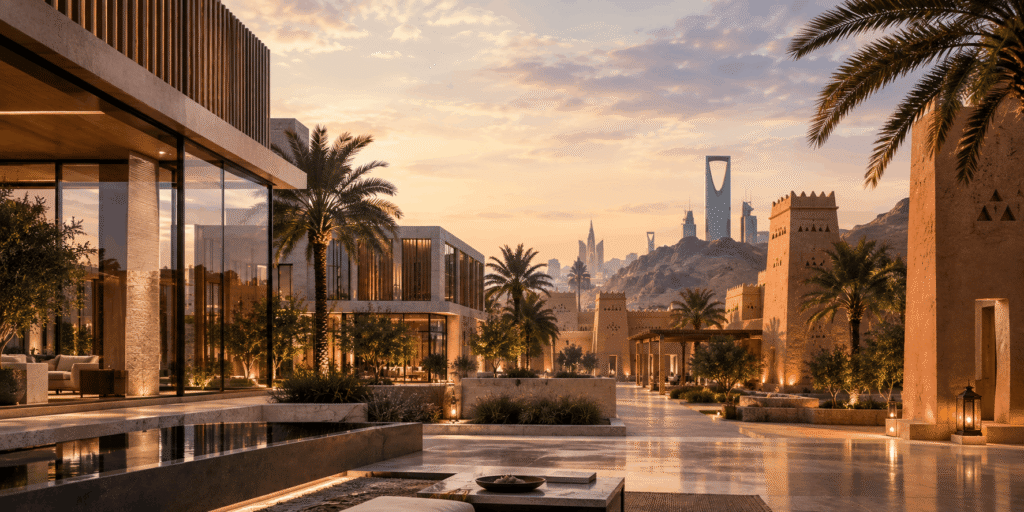
A common mistake in early attempts at this kind of blending was treating heritage as surface-level ornamentation, a decorative arch here, a geometric pattern there, layered onto an otherwise generic modern building. Buyers noticed, and it rarely landed the way developers hoped. What actually works is when heritage informs the structure itself: how shade and airflow are handled, how privacy is built into a floor plan, how courtyards or transitional spaces echo traditional Najdi or Hijazi layouts rather than simply referencing them from a distance. A skilled 3D architectural visualization agency in KSA can capture this distinction clearly, showing buyers a design that feels rooted rather than borrowed.
Mashrabiya, Reimagined
One of the clearest examples of this blending in action is the modern reinterpretation of mashrabiya screening, the perforated wooden or stone lattice traditionally used to filter light and preserve privacy. Contemporary developments are recreating this effect using precast concrete, metal screens, or even parametric facades, keeping the function and visual rhythm while updating the material and scale entirely. Rendered well, these facades photograph beautifully and carry real cultural weight, giving a building a distinct identity that a plain glass tower simply can’t offer.
Interiors That Feel Familiar, Not Generic
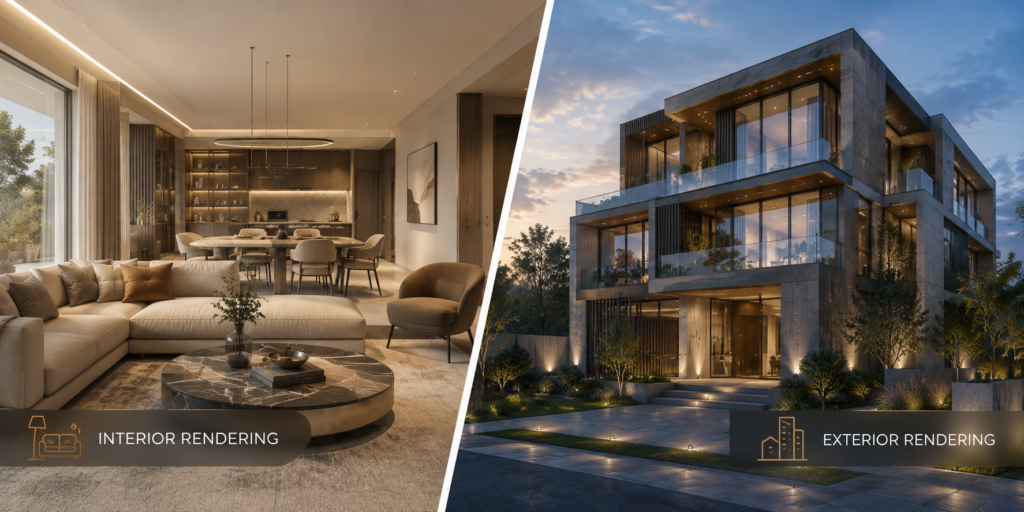
Exteriors tend to get most of the attention in this conversation, but interiors carry just as much of the story, sometimes more, since this is where buyers picture their actual daily life. Majlis-style gathering spaces, generous natural light, and warm, textured material palettes drawn from traditional Saudi homes are showing up more frequently in contemporary layouts, adapted for smaller footprints and modern lifestyles without losing their character. Detailed interior rendering services in KSA help developers show exactly how these spaces come together, proving that heritage-inspired interiors can feel just as premium and livable as anything purely contemporary.
Why Buyers Respond to This Approach
There’s a real emotional dimension to this blending that goes beyond aesthetics. Saudi buyers, particularly those purchasing for family homes rather than pure investment, often respond strongly to design that feels connected to something familiar, even within an unmistakably modern building. It signals that a project understands its context rather than simply importing a template from elsewhere. For developers, this translates into a genuine marketing advantage. A tower that looks like it could be anywhere doesn’t stand out. One that clearly belongs to its place does.
Getting the Visual Balance Right
Communicating this blend accurately requires more than a single hero shot. Buyers need to see how traditional elements integrate into the overall massing, how they interact with light throughout the day, and how they carry through from the building’s exterior into its interior spaces. Working with a capable exterior rendering company matters here specifically, since exterior visuals are usually a buyer’s first exposure to a project and need to establish that design identity convincingly before anything else gets a chance to make an impression.
A Trend That’s Likely to Deepen
As Saudi Arabia’s development pipeline continues expanding under Vision 2030, this fusion of heritage and modern architecture is likely to become more common rather than less, especially as competition increases and developers look for ways to differentiate beyond price and location. Projects that lean into this identity early, and communicate it well through visualization, are positioning themselves for a kind of recognition that a purely generic modern design can’t achieve.
The Bottom Line
Blending Saudi heritage with modern architecture isn’t about nostalgia or box-checking cultural references. It’s about building something that feels genuinely rooted in its place, and then showing buyers that story clearly enough to move them from curiosity to commitment. Developers who get this balance right, and invest in visualization that captures it properly, are building more than towers. They’re building an identity buyers actually want to be part of.