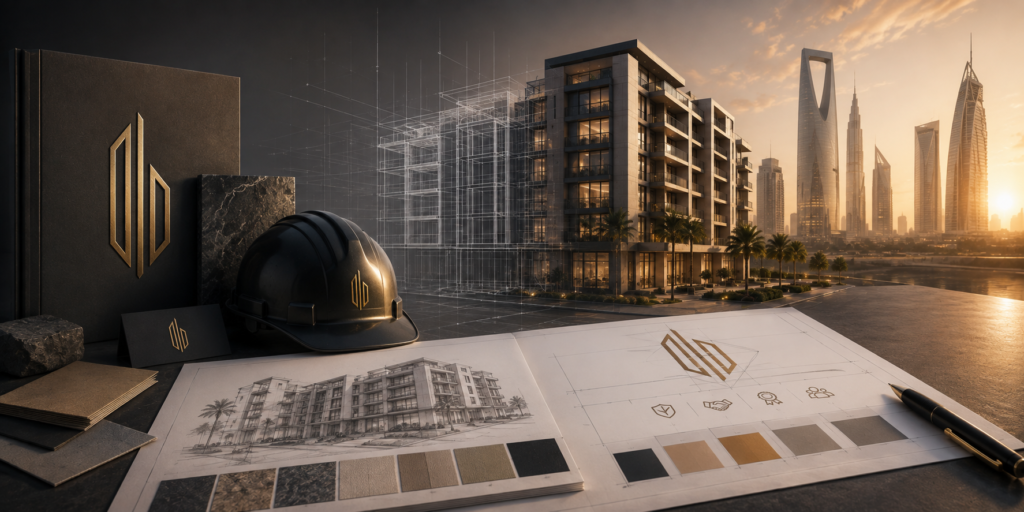
Walk through any property expo in the region and you’ll notice something quickly: a handful of developers pull attention effortlessly, while others with equally strong projects barely register. Architectural branding services have become one of the clearest differentiators separating the two, because in a market this competitive, buyers aren’t just evaluating buildings, they’re evaluating who’s behind them.
Buyers Are Choosing Developers, Not Just Projects
In a market with dozens of active developments launching every year, buyers have started applying the same scrutiny to developers that they’d apply to any major brand. Does this company deliver on time? Does their marketing match the finished product? Do they feel established or opportunistic? These questions get answered long before a buyer ever visits a sales office, largely through how consistently and professionally a developer presents itself across every touchpoint. A weak or inconsistent brand identity quietly raises doubts, even if the underlying project is genuinely strong.
First Impressions Happen Online, Not On-Site
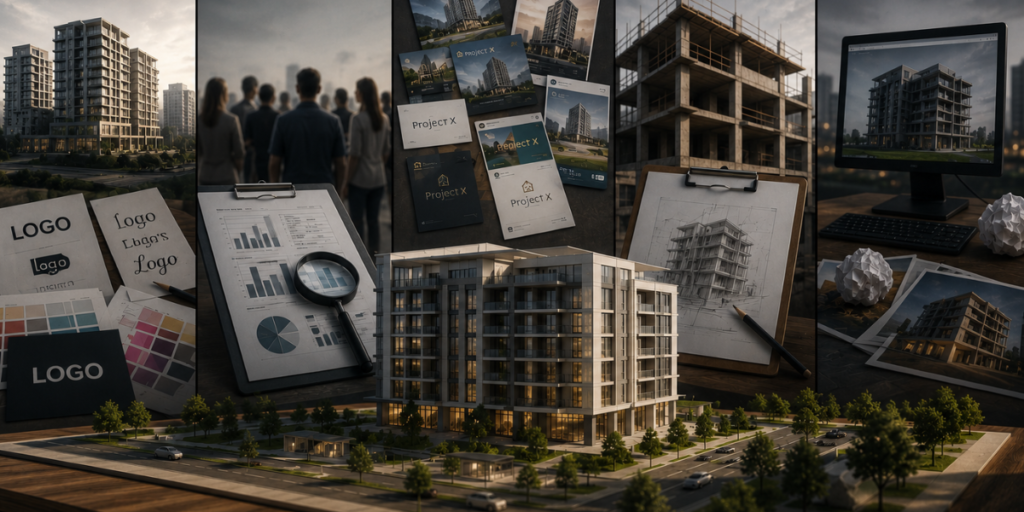
Most buyers form their initial opinion of a developer through a screen, not a handshake. A social media post, a website, an ad that shows up while scrolling, these are the moments where trust either starts building or starts eroding. If the branding feels generic or inconsistent across these touchpoints, buyers notice, even if they can’t always articulate exactly what feels off. Strong identity work solves this by giving every piece of marketing a shared visual language, so a buyer encountering the brand across five different platforms still recognizes it as the same, credible source.
Standing Out in a Crowded Digital Feed
The digital advertising landscape has gotten noisy, and buyers scroll past most of what they see without a second thought. Effective real estate digital advertising in KSA depends heavily on strong branding to earn that second look, because generic visuals blend into the noise almost instantly. Developers with a distinct, recognizable identity have a real advantage here, their content simply stands out faster in an environment built for scrolling past everything else.
Branding Builds Trust Before the Sales Conversation Starts
By the time a buyer actually reaches out to inquire about a unit, a lot of the trust-building work should already be done. This is especially true for buyers evaluating projects remotely, who rely almost entirely on digital impressions to judge credibility before ever speaking with a sales team. Consistent, professional branding does a significant amount of that groundwork quietly in the background, so the actual sales conversation starts from a position of trust rather than skepticism.
Why Waiting Until Launch Is Too Late
A common mistake developers make is treating branding as something to finalize right before launch, alongside the brochure and the sales office signage. By then, there’s little time to build genuine recognition or refine messaging based on how buyers actually respond. Developers who invest in identity early have the advantage of testing and adjusting their brand voice well before the pressure of an active sales campaign, arriving at launch with something that already feels established rather than rushed.
Rendering Reinforces the Brand, Not Just the Building
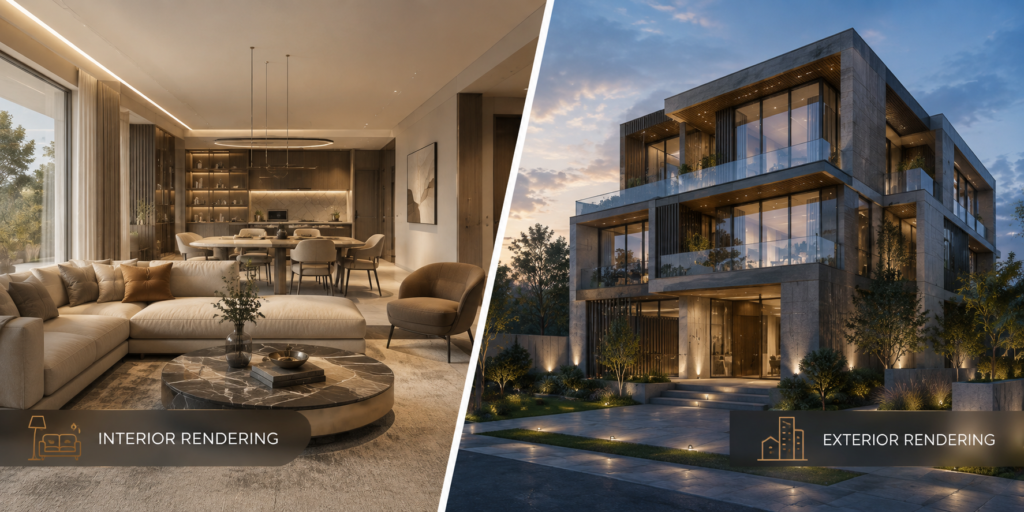
Strong branding and strong visualization work together more closely than developers often realize. Consistent, high-quality real estate 3d rendering in saudi arabia doesn’t just show off a project, it reinforces the professionalism the brand is trying to communicate. A polished render paired with weak or inconsistent branding elsewhere still leaves buyers with mixed signals about how seriously the developer operates.
The Bottom Line
Brand identity isn’t a finishing touch applied right before launch, it’s part of the foundation that determines whether buyers take a project seriously from the very first impression. Developers who invest in this early, rather than reacting to a competitive market after the fact, consistently find it easier to earn buyer trust and stand out in a region where attention is genuinely hard to win.