There was a time when a single beautifully lit render was enough to sell a property concept. That’s changed. Buyers browsing developments in 2026 have seen thousands of static images, and many have also seen enough mismatches between marketing renders and finished units to become a little skeptical of images alone. Video walkthroughs have quietly become the format buyers trust more, and the reasons behind that shift say a lot about how buyer psychology has evolved.
A Single Image Can Be Curated. Movement Is Harder to Fake
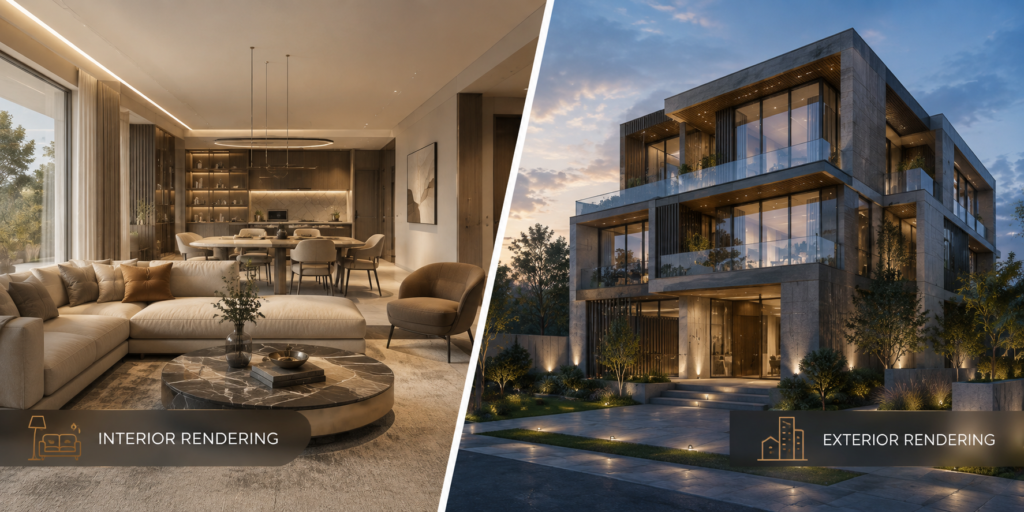
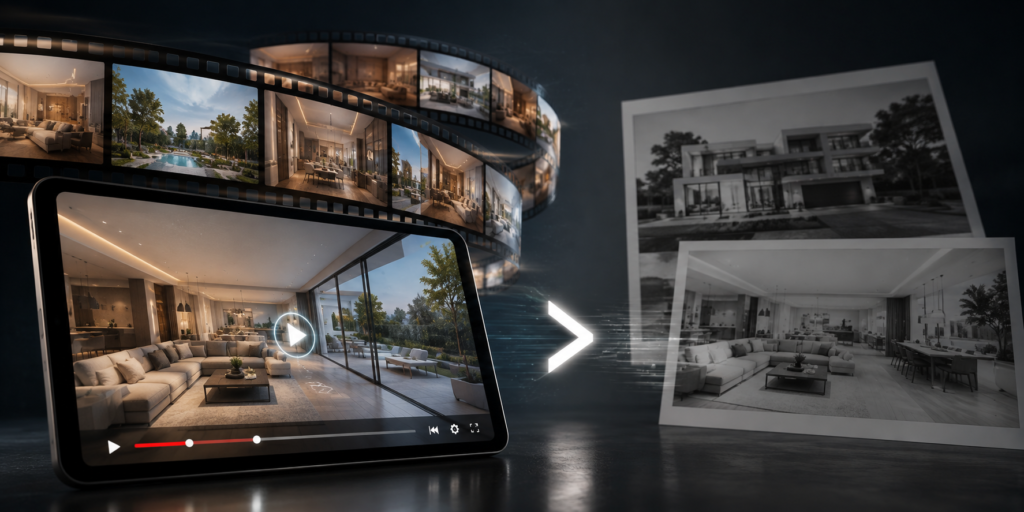
A static render is, by nature, a choice. Someone picked that exact angle, that lighting setup, that moment, often because it’s the most flattering version of the space available. Buyers have started reading that curation as a red flag rather than a strength. A walkthrough doesn’t allow for the same level of selective framing. Moving through a space from room to room, with consistent lighting and proportions throughout, gives buyers a much harder-to-manipulate sense of what they’re actually looking at. This is a big part of why 3D cinematic walkthrough services have become a standard request rather than a premium upgrade, buyers increasingly expect to see the full sequence, not just the highlight reel.
Walkthroughs Answer Questions Buyers Didn’t Know They Had
Static images answer the question “what does this room look like.” Walkthroughs answer a different, more instinctive question: “what does it feel like to actually be here.” How does natural light shift as you move from the living room into the kitchen? How does the ceiling height feel when you’re standing in the hallway versus the main bedroom? These are details that are difficult to communicate through stills, no matter how well composed, but they come through naturally in a well-produced 360 virtual tours for real estate, and they’re often what tips a hesitant buyer toward a decision.
Trust Is Built Through Continuity
One underrated reason walkthroughs build more trust is continuity. When a buyer watches a single continuous sequence moving through a unit, their brain naturally registers it as more “real” than a series of disconnected images, even when both are equally accurate. There are no obvious cuts hiding a less flattering angle, no gaps that make a buyer wonder what wasn’t shown. This sense of continuity matters even more when a project involves an experienced architectural visualization studio producing the walkthrough, since the difference between a genuinely immersive sequence and a stitched-together one is usually obvious within the first few seconds.
Video Fits How Buyers Actually Browse Today
There’s also a simpler, more practical reason behind this shift. Buyers in 2026 consume most content through video by default, scrolling through short clips on social platforms, watching comparison videos before big purchases, and generally expecting motion over static content across nearly everything they browse online. Property marketing that only offers still images feels out of step with that habit, almost like it’s asking buyers to do extra work to imagine what a video could have shown them directly.
What This Means for Developers
None of this makes static renders obsolete. They still have a place in early-stage marketing, teasers, and quick visual snapshots for ads. But for the stage where a buyer is genuinely evaluating whether to commit, video walkthroughs have become the format that actually moves the needle. Developers who rely solely on stills at that stage are leaving trust on the table that a well-produced walkthrough would have captured instead.
The Bigger Shift
What’s really happening here isn’t just a preference for one format over another, it’s a reflection of how much more skeptical and informed buyers have become. They’ve seen enough polished-but-misleading marketing to know the difference between an image chosen to impress and a sequence that genuinely represents a space. In 2026, earning a buyer’s trust increasingly means showing them everything, not just the best angle.