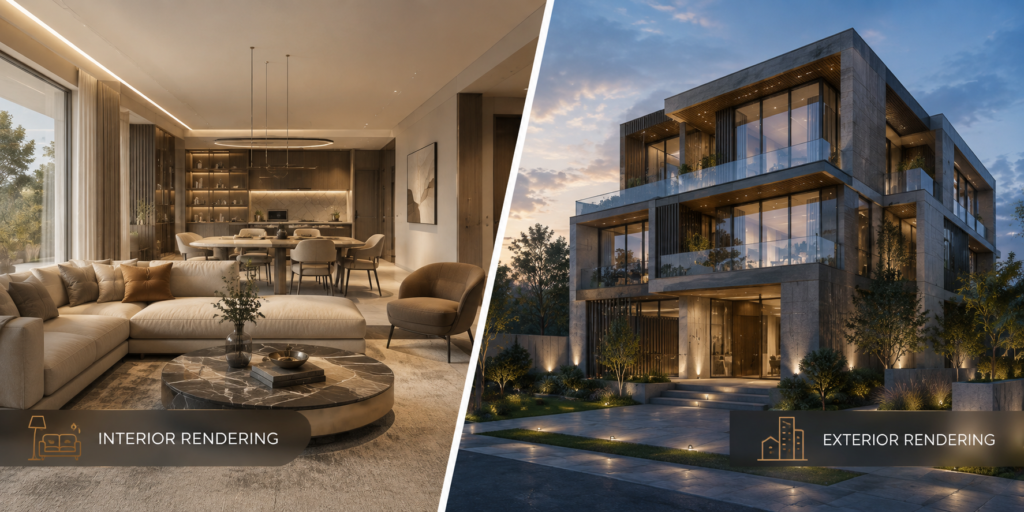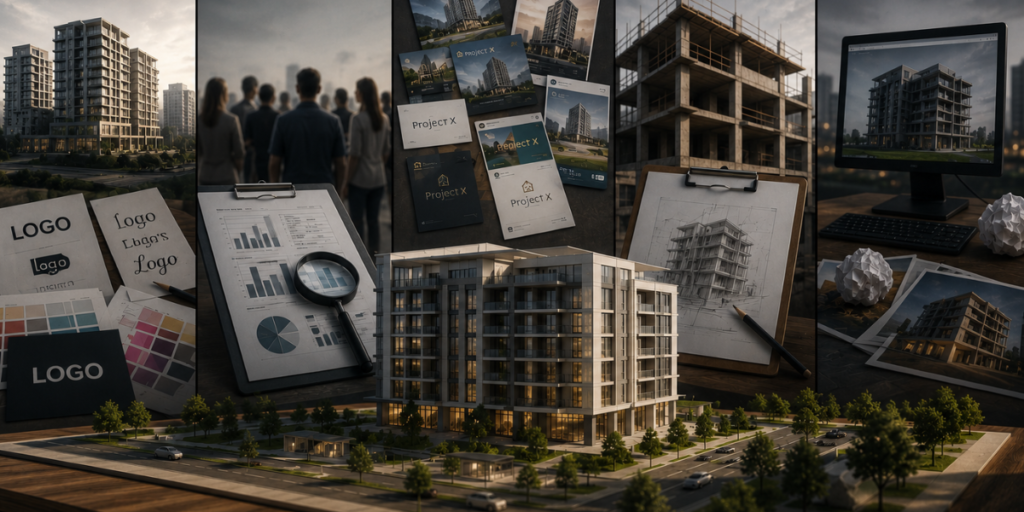

Off-plan buying has always required a leap of faith. You’re committing money to a property that exists only as a set of drawings and a sales pitch, trusting that what gets built will match what was promised. For years, that trust was built almost entirely on the developer’s reputation and a handful of polished marketing images. That’s no longer enough. Buyers today have seen too many gaps between glossy renders and finished units, and they’re pushing back by demanding a level of visual honesty that wasn’t expected a few years ago.
The Trust Gap That Started This Shift
Social media and buyer forums have made it easy to compare marketing promises against real outcomes. A buyer researching a development doesn’t just look at the developer’s own brochure anymore, they search for photos from people who already moved in, read reviews, and compare finished units against the renders that sold them. When there’s a mismatch, it spreads fast and damages more than one project. This visibility has raised the bar. Buyers now expect visuals that represent reality closely enough to survive that kind of scrutiny after handover.
What “Transparency” Actually Means to Buyers
Transparency doesn’t mean buyers want less impressive marketing. It means they want marketing that’s accurate rather than idealized. They want to see a space from multiple angles, not just the one flattering shot chosen for the homepage. This is part of why a detailed 360 virtual tour rendering services approach has become less of a premium add-on and more of an expectation, especially for buyers evaluating a property from another city or country who can’t verify anything in person. A tour that lets someone explore freely, rather than watch a curated sequence, signals that the developer isn’t hiding anything.
Consistency Across Every Format
Transparency also shows up in how consistent the marketing feels across different formats. A static render, a walkthrough video, and a floor plan should all describe the same space in a way that holds together. When a developer works with a single 3d architectural visualization company across a project’s marketing assets, that consistency is much easier to maintain, because every visual is produced from the same underlying design data rather than reconstructed separately by different vendors at different points in the timeline. Buyers pick up on inconsistency quickly, even if they can’t always articulate exactly what feels off.
Motion Builds Trust Faster Than Stills
There’s also a growing preference for movement over static images, because motion is harder to stage misleadingly. A single well-lit render can flatter a space in ways that don’t hold up once you see it from a different angle. Cinematic sequences produced through 3D animation give buyers a fuller sense of proportion, flow, and light throughout a space, which is exactly the kind of detail that reduces the feeling of being sold an idealized version of something real. It’s not about production value for its own sake, it’s about giving buyers enough visual information that they don’t feel like anything is being left out.
Why This Shift Isn’t Going Away
This demand for transparency isn’t a passing trend tied to one bad experience or one viral complaint. It reflects a buyer base that’s more informed, more connected to other buyers’ experiences, and less willing to take marketing at face value than it was even five years ago. Developers who treat this shift as an inconvenience will keep losing trust to competitors who treat it as an opportunity, using accurate, thorough visualization as a way to stand out rather than a compliance box to check.
The Bottom Line
Off-plan buyers aren’t asking for less polished marketing, they’re asking for marketing that holds up to scrutiny. Developers who lean into that, showing spaces from every meaningful angle, keeping visuals consistent across formats, and using motion to build confidence rather than just static hero shots, are the ones earning the kind of trust that actually converts hesitant buyers into signed reservations.